Aid in Crossfire
Humanitarian Aid in Conflictual Zones: Efficiency and Challenges
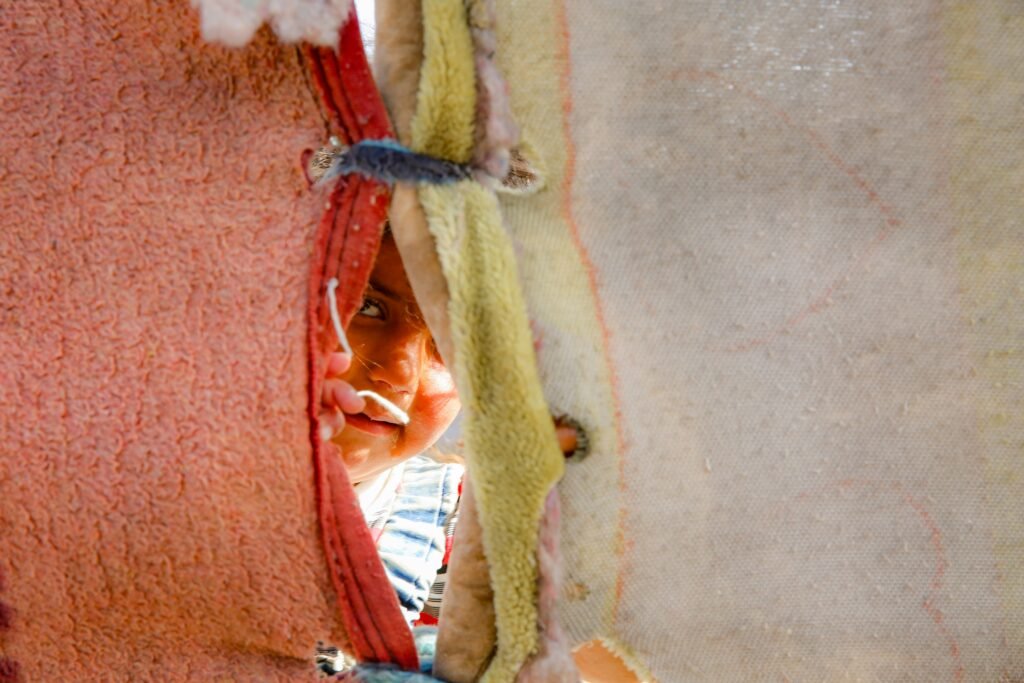
The political context of aid encompasses a wide spectrum of issues and challenges that have a profound influence and impact on the sociopolitical status of affected regions.
Humanitarian missions are one of the most important aspects in conflictual zones; they often represent the final string of hope for countries isolated from the rest of the world by violence and instability. These efforts are rooted in human rationality and compassion, as well as material support. It is true that conflict zones are insecure environments, where the risk of mortality is significantly high. However, humanity is a powerful force.
This makes humanitarian intervention more complicated, particularly in ensuring that aid is delivered safely and distributed fairly. But such difficulties do not define the overall success or failure of humanitarian efforts. Even in the most dangerous settings where aid workers risk their lives, humanitarian missions have frequently achieved success. This essay will discuss the effectiveness and value of humanitarian aid, alongside some successful interventions that have contributed to recovery and development. At the same time, it will explore the political and security challenges, analysing how decision-making administrations influence each stage of humanitarian intervention.
International Humanitarian Law (IHL) forms the framework guiding humanitarian assistance and intervention in conflict zones. It emphasises equal distribution of aid without discrimination or political bias favouring any particular group. According to the International Committee of the Red Cross, IHL ensures civilians are protected and reinforce the importance of neutrality when delivering aid. As stated in United Nations General Assembly Resolution 46/182, “UN humanitarian assistance must be provided in accordance with the principles of humanity, neutrality, impartiality and independence. Compliance with these principles helps humanitarians gain trust and acceptance, which, in turn, helps them negotiate with State and non-State entities to reach people in need” (OCHA).
While stability is a key component of humanitarian missions, political conditions are subject to rapid change depending on the circumstances. Crises may be intensified or alleviated, however, humanitarian aid is essential for the survival of people living under life-threatening conditions.
The effectiveness of humanitarian aid can be observed through several outcomes presented by the World Health Organisation:
Supplying essentials such as food, water, sanitation, and healthcare contributes to “preventing disease, deaths, and mental distress”, and humanitarian health responses help “contain outbreaks and save lives”.
Humanitarian health responses help “contain outbreaks and save lives” because the essential resources they provide and the quality assist in helping populations face extreme conditions.
Strengthening health systems lays the foundation for sustainable development and growth. The World Health Organization highlights that interventions can “enable durable recovery” and support long-term societal stability.
Therefore, despite the challenges, humanitarian assistance and intervention continue to overcome obstacles across different circumstances and over time. There are several cases with different disaster contexts that demonstrate this, highlighting the effectiveness of humanitarian aid.
Syria:
The Civil War in Syria led to a humanitarian crisis, including restricted access to essential services and the disruption of aid delivery. In response, the United Nations Security Council authorised cross-border humanitarian agreements to ensure aid could reach people in need. These cross-border operations ensure consistent access to life-saving assistance, and are therefore described as an “indispensable lifeline” (United Nations).
Ethiopia:
According to the United Nations Office for the Coordination of Humanitarian Affairs, Ethiopia is experiencing a “complex and multi-layered humanitarian crisis driven by conflict, drought, displacement and disease outbreaks” (OCHA). As a result, millions of people require humanitarian aid and many organisations have assisted. For example, The United Nations Children’s Fund provided emergency health and nutrition services, which helped mitigate the deadly effects of the crisis (UNICEF).
Current political developments are a major factor constraining humanitarian missions, impacting the distribution of aid to affected populations. Humanitarian assistance faces severe challenges which not only complicate help provided, but also can endanger the safety and livelihoods of aid workers. These challenges are mentioned by Harmer, Stoddard, and Sarazen:
Border closures and state restrictions preventing aid workers and supplies from moving freely.
Attacks on aid workers, damaged infrastructure, and restricted access to communities.
Multiple political parties operate simultaneously, causing a lack of coordination with resources.
Relying on donor funding can influence where and how aid is delivered, risking uneven aid coverage.
Overall, these factors significantly hinder the delivery of humanitarian aid due to their effect on access, aid workers’ lives, and the overall performance of operations (Harmer, Stoddard, and Sarazen).
To summarise, it is crucial to understand the importance of humanitarian aid, and its support of populations affected by catastrophic disasters and conflict. Frameworks such as International Humanitarian Law and the United Nations’ principles assist in fair aid delivery, and evidence shows that humanitarian intervention can save lives and support long-term development. Despite access restrictions, complex politics, and funding restraints causing setbacks and challenges, the value of aid cannot be doubted; they emphasise the need for perseverance because humanity is a principle that can drive meaningful change in crisis-affected regions.
